
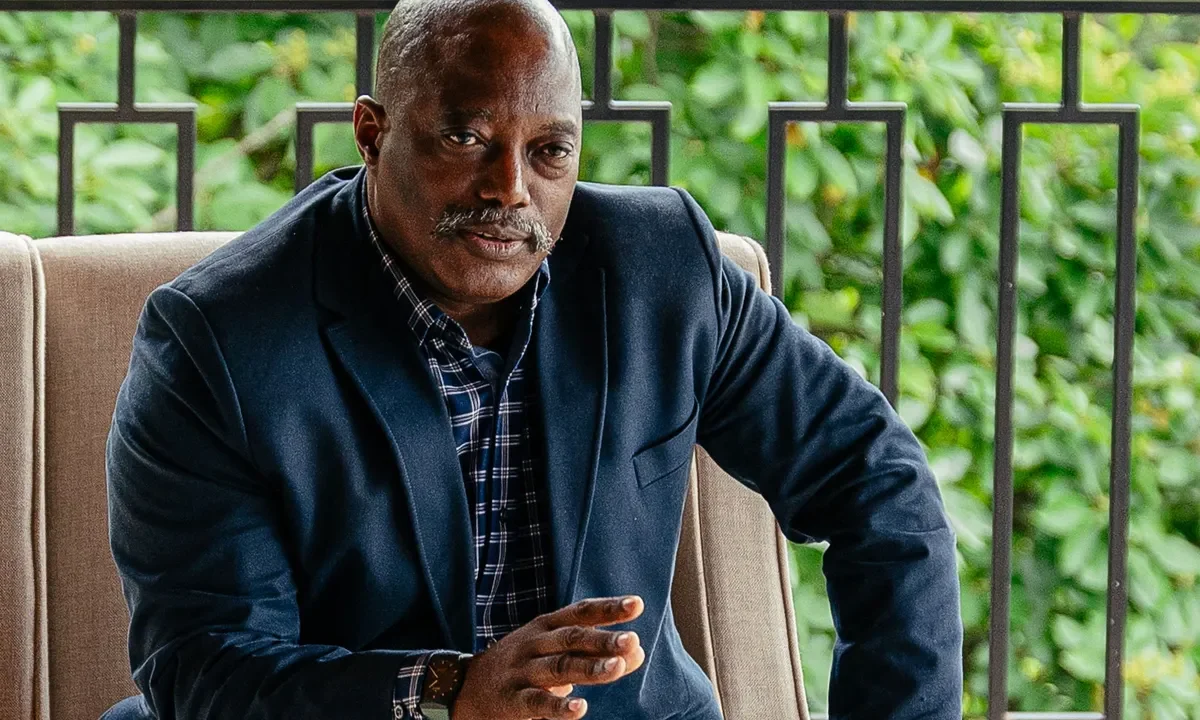
The United States government sanctioned former Democratic Republic of Congo President Joseph Kabila on Thursday April 30, 2026, freezing all assets he holds within US jurisdiction and criminalising any financial transactions involving him through the American financial system. The sanctions were imposed by the US Treasury Department’s Office of Foreign Assets Control, known as OFAC, acting under Executive Order 13413 as amended by Executive Order 13671. The designation names Kabila for materially supporting the March 23 Movement, known as M23, and its political-military arm, the Congo River Alliance, known as the AFC, both of which are already designated entities under US and United Nations sanctions.
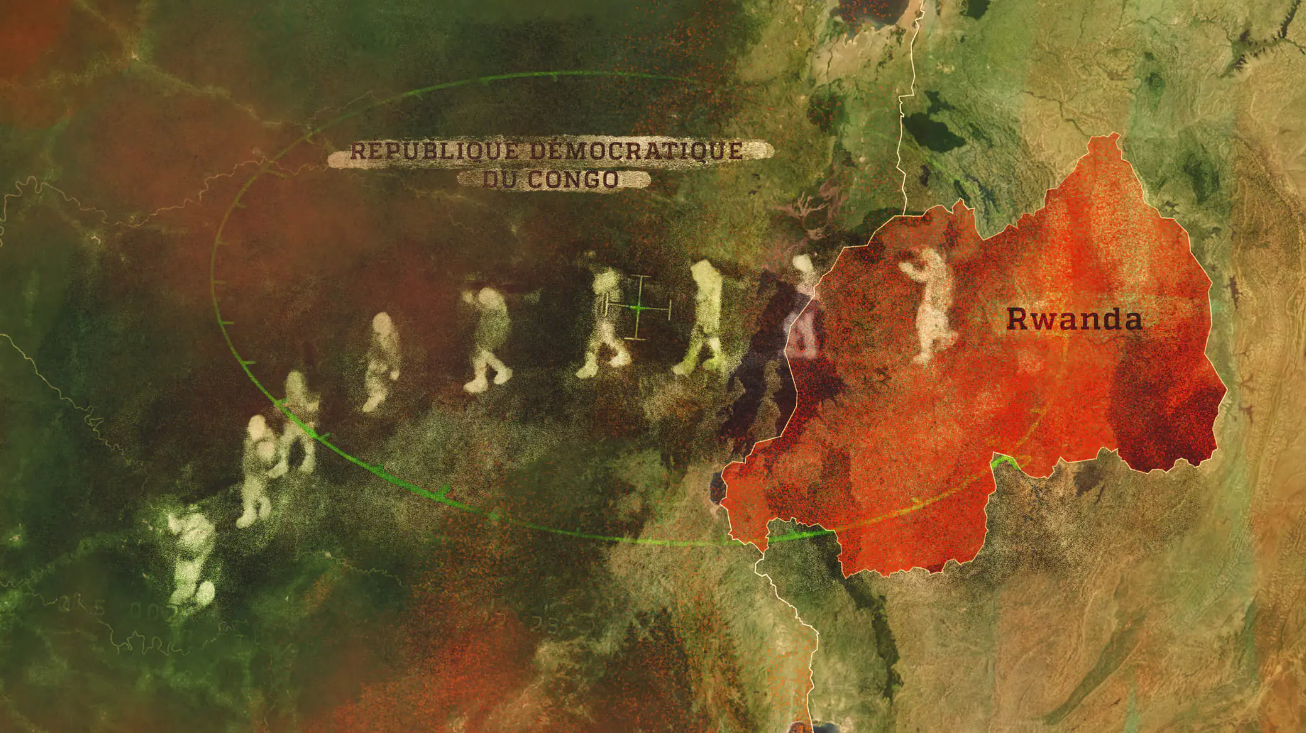
Kabila, who served as president of the DRC from 2001 until 2019, was believed by the Treasury Department to be living in Goma at the time of the designation. Goma, the capital of North Kivu province, has been under the control of M23 and the Rwanda Defence Force since January 27, 2025.
What OFAC Says Kabila Did
The Treasury Department’s official designation statement is specific about the actions that triggered the sanction. According to OFAC, Kabila provided financial support to the AFC in order to influence the political situation in eastern DRC. He encouraged Armed Forces of the DRC soldiers, known as FARDC, to defect and join AFC forces in eastern DRC in order to generate additional support for the rebel coalition. He sought to launch attacks from outside DRC on FARDC units in eastern DRC, though OFAC states that this effort was unsuccessful. He also worked to install a candidate opposed to the current president, Felix Tshisekedi, with the intent to regain influence over the DRC government.
Treasury Secretary Scott Bessent said in a statement: “President Trump is paving the way for peace in the Democratic Republic of the Congo, and he has been clear that those who continue to sow instability will be held accountable. Treasury will continue to use its full range of tools to support the integrity of the Washington Accords.”
State Department spokesman Tommy Pigott described Kabila as providing “financial and political support” to groups that are “the principal drivers of violence and instability in the region,” adding: “Today’s action sends a clear message: we will hold accountable anyone who obstructs peace efforts in the DRC.”
The Connection to Corneille Nangaa and the AFC
The Treasury designation draws a direct line between Kabila’s presidency and the current rebel leadership. The AFC is led by Corneille Nangaa, who was originally sanctioned by OFAC in 2019 for his role in deliberately delaying the 2016 DRC elections while serving as President of the National Independent Electoral Commission, a body that operated during Kabila’s time in power. The connection between Kabila and Nangaa is therefore not incidental. The man now leading the political arm of the rebel coalition seeking to overthrow the Tshisekedi government previously managed the electoral machinery that kept Kabila in power beyond his constitutional term limit.
The Treasury designation describes the AFC as seeking to topple the DRC government entirely and establishes that M23 and the AFC together have fueled violent conflict in eastern DRC resulting in the deaths of thousands of civilians and a mass displacement crisis that the UN has described as one of the world’s most significant.
The History That Makes This Sanction Remarkable
The Kabila sanction carries a dimension that the wire services have noted but not fully developed. Rwanda helped bring Kabila’s father, Laurent-Desire Kabila, to power in 1997, when Rwandan and Ugandan forces backed the AFDL rebellion that overthrew Mobutu Sese Seko and installed the elder Kabila as president. Joseph Kabila then succeeded his assassinated father in 2001 and ruled for eighteen years, during which time eastern DRC experienced the second M23 crisis of 2012 to 2013 while Kabila’s government was accused of tolerating armed group activity that served factional interests in the region.
That former president is now in rebel-held Goma, sanctioned by the United States for funding the Rwanda-backed coalition that controls the city. The circle of relationships that connects 1997 to 2026 is not coincidental. It is the same network of interests, reshaped by changing alliances, now operating openly enough that Washington has decided to name it.
DRC Deputy Prime Minister Jacquemain Shabani welcomed the sanctions without hesitation. “He is the instigator, the initiator, the architect of the destabilization of Congo,” Shabani said. “Mr. Kabila is among those who make achieving peace in the Democratic Republic of Congo difficult and complicated.”
Where This Fits in Washington’s DRC Sanctions Campaign
Thursday’s designation is the latest in a series of US actions targeting actors on multiple sides of the eastern DRC conflict. On March 2, 2026, OFAC sanctioned the Rwanda Defence Force itself alongside four of its senior commanders, including the RDF army chief of staff, for providing direct operational support to M23. Those sanctions named Vincent Nyakarundi, Ruki Karusisi, Mubarak Muganga, and Stanislas Gashugi. The State Department at that time called on Rwanda to withdraw all RDF personnel and advanced weapons systems from the DRC.
The Kabila sanction now adds the internal Congolese dimension to Washington’s enforcement campaign. The US government is simultaneously sanctioning Rwanda’s military for directing the rebel offensive from the outside and a former Congolese president for financing and facilitating that same offensive from the inside. Together the two rounds of designations describe the full architecture of the M23 coalition as Washington understands it: a Rwanda-commanded military operation with a Congolese political layer funded in part by Kabila’s network.
Rwanda continues to deny direct support for M23, as it has since the group’s initial formation in 2012 and its resurgence in 2021.
The Washington Accords and What Comes Next
Both rounds of US sanctions are framed as enforcement measures supporting the Washington Accords for Peace and Prosperity, the agreement signed in December 2025 between the DRC and Rwanda under Trump administration mediation. That agreement collapsed almost immediately. M23 seized the city of Uvira in South Kivu within days of the signing. Diplomatic talks resumed in Washington in April 2026, with both parties agreeing in principle to steps toward de-escalation, but M23 forces remained in control of Goma and Bukavu as of the date of this article.
The practical impact of the Kabila sanction is uncertain. His assets within US jurisdiction may be limited. His ability to move funds through the international financial system will be constrained, but the mineral economy of eastern DRC operates largely outside formal banking channels. The designation’s most immediate effect may be symbolic: it formally establishes, in an official US government document, that a former Congolese president is actively working to destabilize his own country from inside a rebel-held city.
A Congolese military court sentenced Kabila to death in absentia last year on charges of war crimes, treason, and crimes against humanity. That sentence effectively prevented any political return to Kinshasa. The US sanction now adds an international enforcement dimension to an already extraordinary legal situation.
Kabila has not publicly responded to Thursday’s designation. In a statement published last year in South Africa’s Sunday Times newspaper, before the sanctions were announced, he wrote: “Any attempt to find a solution to this crisis that ignores its root causes, at the top of which lies the governance of the DRC by its current leadership, will not bring lasting peace.”
He wrote that from South Africa, where he had been living in self-imposed exile. He is now, according to the US Treasury Department, in Goma.