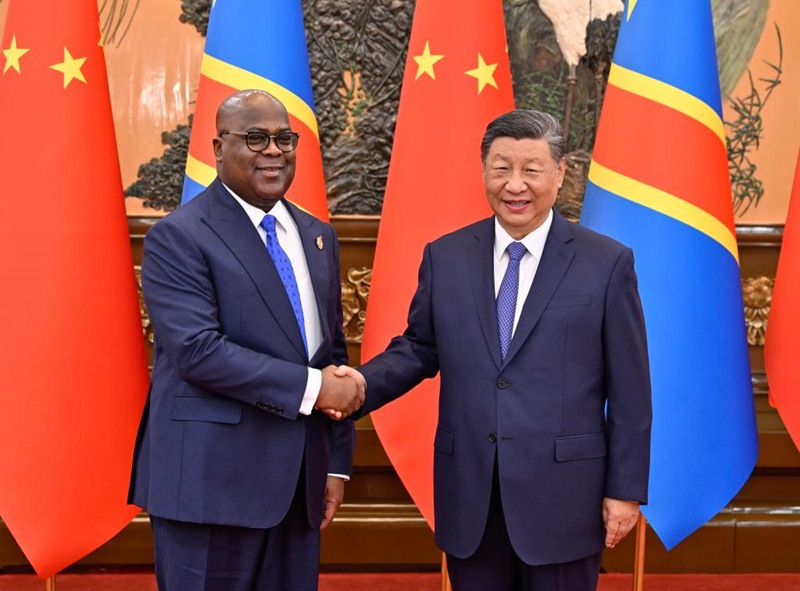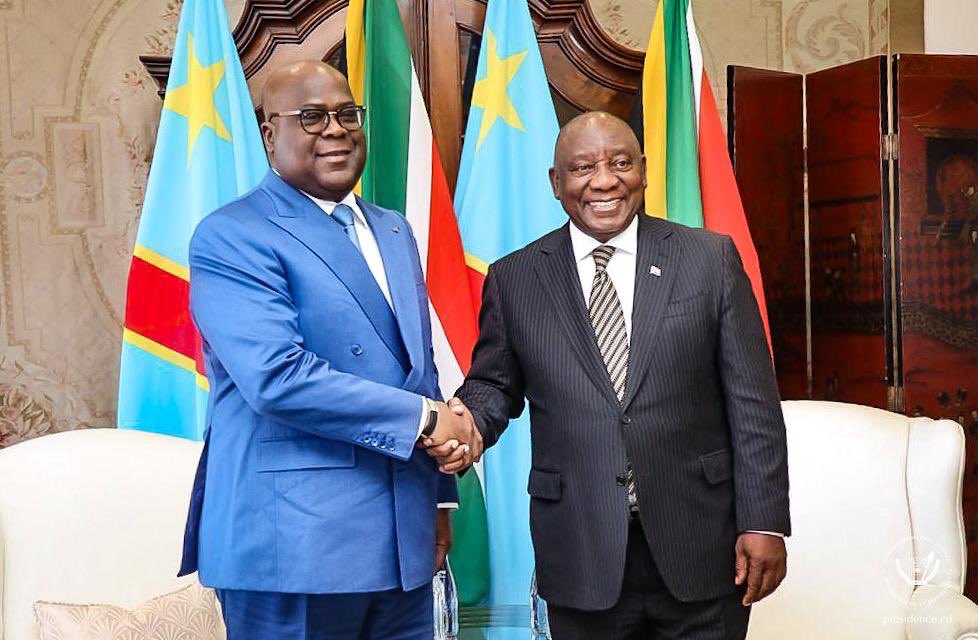
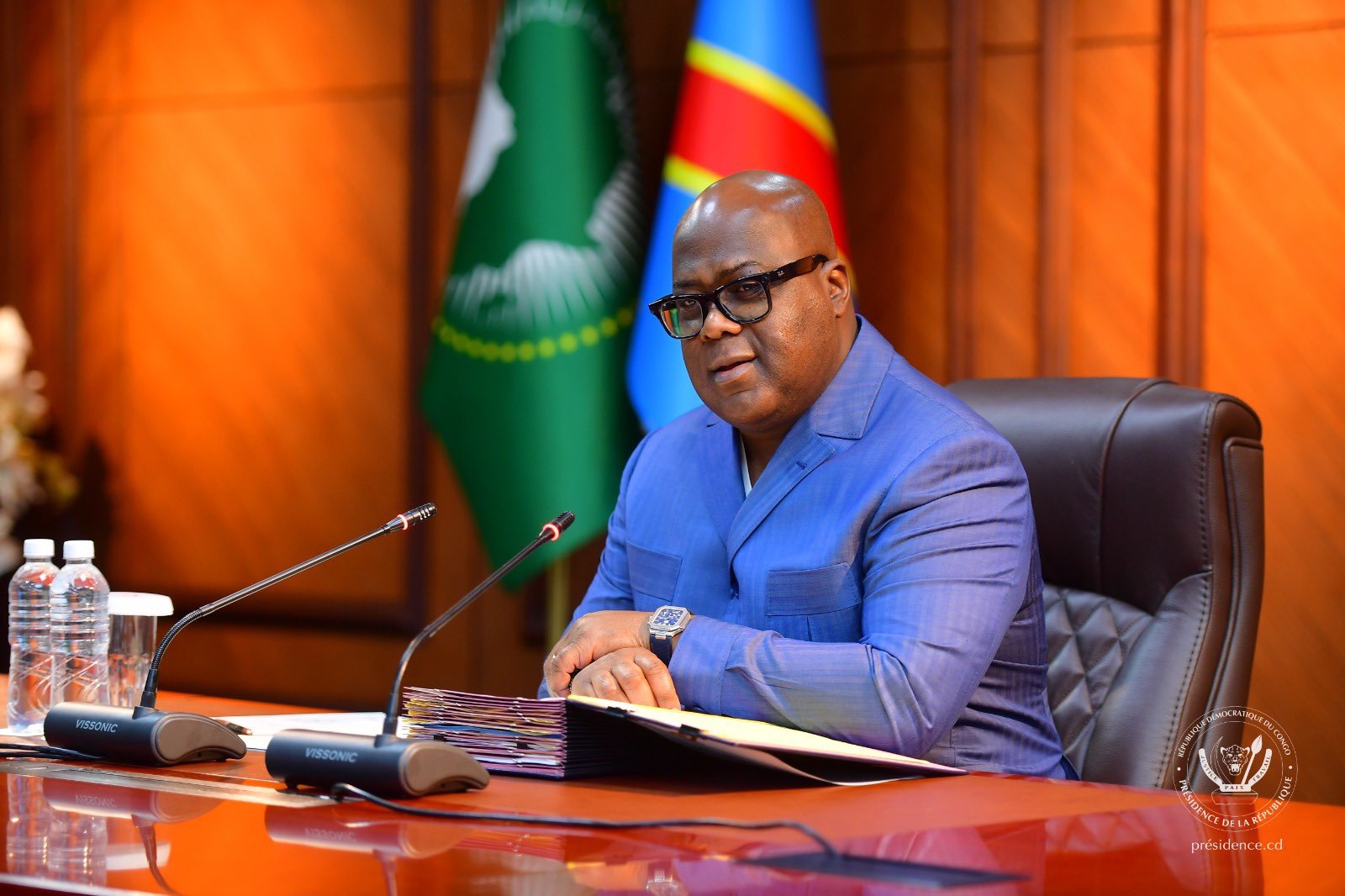
On 9 September 2025 at a high-level human-rights conference in Geneva, President Félix Tshisekedi called for international recognition of genocides committed on Congolese soil. In a recorded message he framed the demand as a legal, evidence-based pursuit, pointing to concordant national and international reports that document the systematic nature of atrocities and the legal framework of the 1948 Genocide Convention.
Recognition is more than symbolic: it can open legal avenues for prosecutions, reparations, truth commissions and a long-term memory project that helps prevent recurrence. At the same time, recognition forces uncomfortable questions about who benefited from violence, who enabled it, and whether the international community has been consistent in its response.
United Nations and independent investigations have documented grave violations in eastern DRC — including summary executions, sexual violence and other abuses — and identified links between rebel groups (notably M23) and external support that merit deeper legal scrutiny. These findings underline both the scale of civilian suffering and the urgent need for credible, forensic investigation.
Open-source investigations and field reporting point to a sustained flow of minerals from territories controlled by armed groups into regional and international markets. Tracing chain-of-custody and exposing buyers and transport routes is critical: mineral revenues are a plausible mechanism that sustains armed groups and links economic actors to the conflict.
Many Western governments have taken targeted punitive measures against individuals and entities tied to illicit mining and violence, yet some of the same states continue transactional partnerships with Rwanda — from security cooperation to migration deals. This mixed approach creates policy incoherence: public human-rights signalling on the one hand, pragmatic bilateral arrangements on the other. The result is weakened incentives to fully cut illicit revenue streams.
President Tshisekedi’s Geneva plea puts the international community at a crossroads: recognition could trigger a genuine legal and moral accounting or become an empty label unless followed by verifiable investigations and enforcement.