
Kinshasa, 22 August 2025 – The Democratic Republic of Congo (DRC) has officially launched the process of issuing its first Eurobond, a move that marks a historic entry into international financial markets.
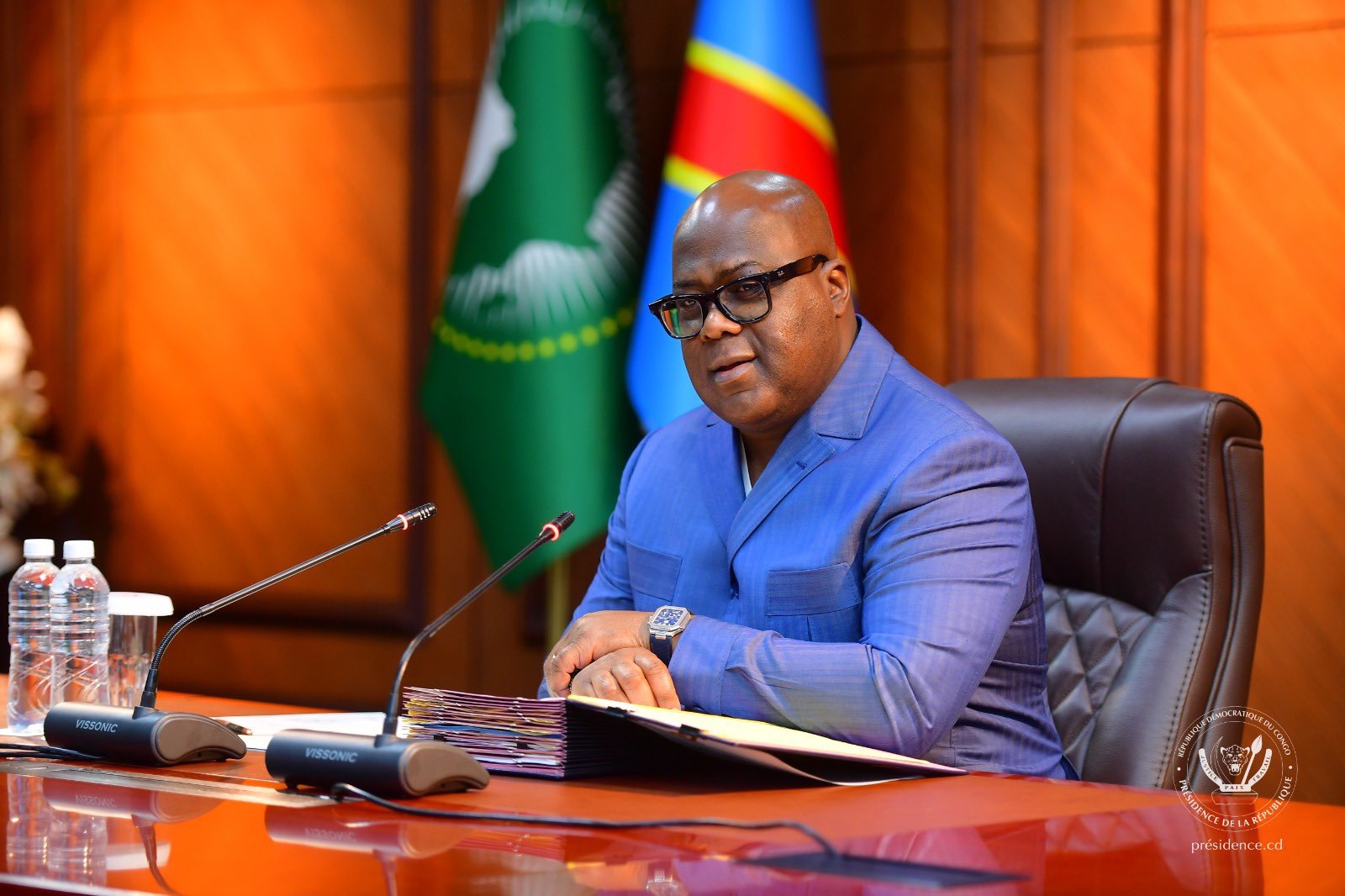
Approved by the Council of Ministers on 22 August, the initiative allows the government to raise USD 1.5 billion from global investors. The proceeds will be used to finance priority infrastructure projects and strengthen national connectivity, aligning with the 2024–2028 Government Action Program under President Félix Antoine Tshisekedi.
A Growing Economy with Improved Stability
According to the Ministry of Finance, this decision comes against a backdrop of relative macroeconomic stability:
Inflation slowed to 7.8% in July 2025, down from 11.1% in July 2024. The Congolese franc depreciation was limited to 1.1% by mid-2025. Economic growth is projected at 5.3% in 2025, continuing an upward trend. The DRC maintains a sovereign credit rating of B- (S&P) and B3 (Moody’s), both with stable outlooks. Public debt remains at relatively low levels, leaving room for new borrowing.
These indicators, combined with the international ratings, suggest that DRC is becoming more attractive to investors looking for returns in emerging markets.
The Eurobond process is expected to be finalized before 30 June 2026. The Ministry of Finance has reaffirmed its commitment to use the funds responsibly, promising continued reforms and investments in infrastructure that will drive inclusive and sustainable growth.
Analysts highlight that the Eurobond could provide a major boost to DRC’s infrastructure ambitions. With roads, energy networks, and digital connectivity in urgent need of development, the injection of USD 1.5 billion could accelerate economic transformation.
The bonds must be repaid in foreign currency, exposing DRC to exchange rate risks. Given the country’s B-/B3 rating, interest rates are likely to be high (possibly above 8–12% annually). Mismanagement of funds could reduce the long-term benefits, leaving the country with debt but limited infrastructure gains. Global market volatility and commodity price drops (especially in copper and cobalt, on which DRC heavily depends) could complicate repayment.
This Eurobond marks a defining test for the DRC’s financial credibility. If managed well, it could strengthen the country’s economic resilience and place it firmly on the path of modernization. If mishandled, however, it risks becoming an additional debt burden without visible impact on citizens’ daily lives.
The central question remains: Will this $1.5 billion Eurobond truly transform Congo’s infrastructure and economy, or will it deepen its debt trap?
We encourage readers to share their views. Should the DRC rely more on global financial markets like Eurobonds, or should it prioritize concessional loans and domestic resource mobilization?