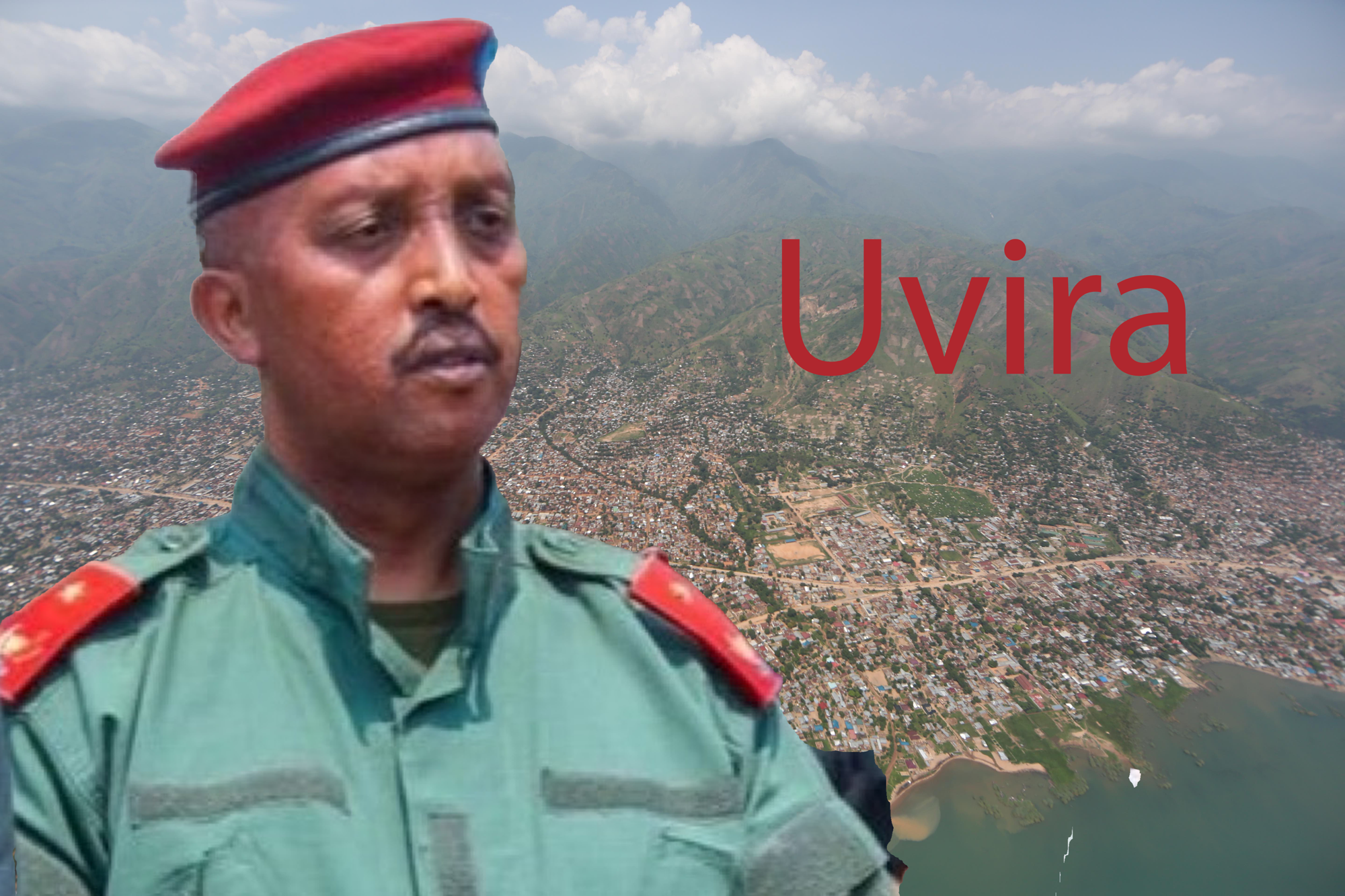
The Armed Forces of the Democratic Republic of Congo (FARDC) recently issued a strong communiqué warning against manipulation of the situation surrounding Olivier Gasita Mukunda. The army denounced attempts by some leaders to “intoxicate the population” and framed the unrest as part of a broader campaign of disinformation and destabilisation driven by external actors. FARDC urged Congolese to remain united behind national institutions so that the Republic does not “lend its flank to the enemy.”
COMMUNIQUÉ DE PRESSE
— Armée Congolaise – FARDC (@FARDC_Info) September 8, 2025
Les #FARDC réaffirment leur soutien indéfectible au Général Olivier Gasita et aux patriotes #Wazalendo. Un soldat appartient à l’Armée et sert la Nation pas une communauté. Unis derrière nos institutions, nous résisterons à la manipulation et vaincrons… pic.twitter.com/Pxl5HPOcyn
Events in Uvira quickly underlined the stakes. As Actualite.cd reported, a “ville morte” protest against Gasita’s appointment escalated on 8 September 2025, leading to civilian deaths and injuries. The government has since dispatched a mission to Uvira to calm tensions and assess the situation.
Kinshasa’s decision to place Gasita in command is a calculated move. It signals inclusion of the Banyamulenge community, directly challenging Rwanda’s long-standing narrative that they are stateless victims who require outside protection. In the short term, this appointment is both strategic and symbolic: it weakens Kigali’s propaganda card and demonstrates the Republic’s willingness to integrate all its citizens into national structures.
Yet symbolism alone is not enough. Without broader recognition, institutional guarantees, and protections, the Banyamulenge community may still feel rejected and vulnerable. That mistrust has historically pushed some members to seek security from external actors—an outcome that gives the enemy tremendous potential.
To make the Gasita appointment a durable success, the government must act on several fronts. First, it should launch an independent inquiry into the Uvira killings to restore trust through transparency. Second, Kinshasa needs a professional, publicly accountable digital fact-checking unit to counter the flood of online propaganda and disinformation spread by coordinated networks. Third, it must institutionalize recognition of the Banyamulenge by addressing citizenship, documentation, and local rights in law and practice. Finally, reconciliation initiatives and inclusive security arrangements in South Kivu are essential to rebuild community confidence on the ground.
If Kinshasa limits itself to symbolism, the risks are severe: radicalisation, renewed recruitment into proxy forces, erosion of legitimacy, and escalation of violence. But if it combines Gasita’s appointment with accountability, digital resilience, and real political reforms, then the move could become a turning point—transforming a vulnerable card into a pillar of national unity.