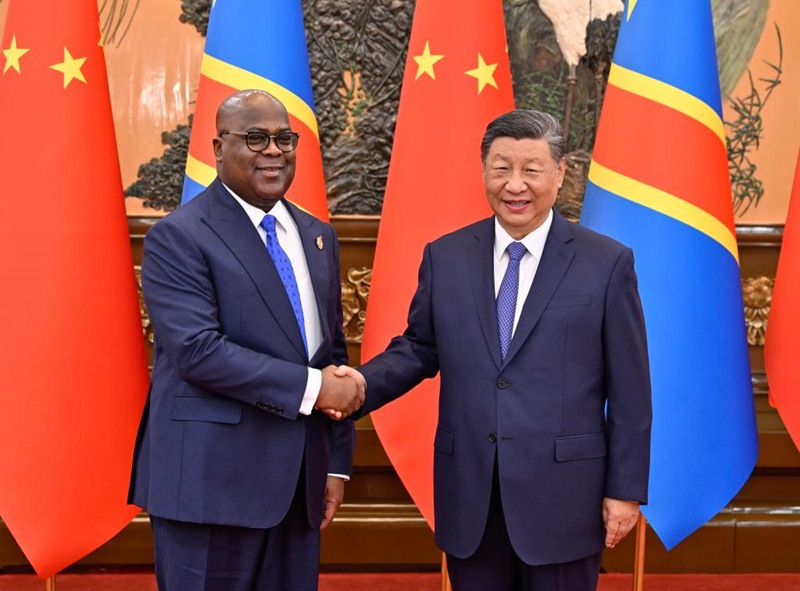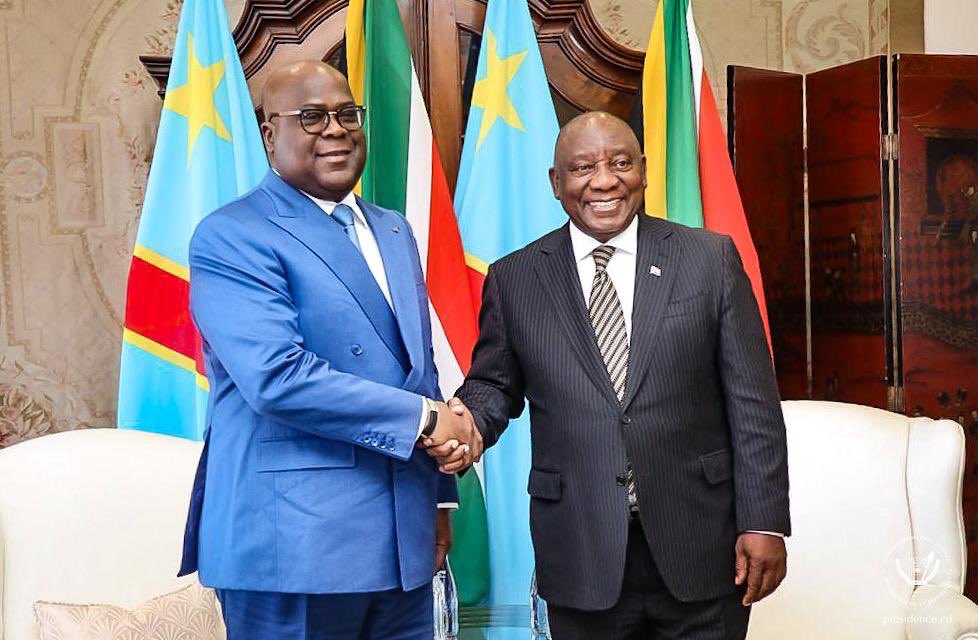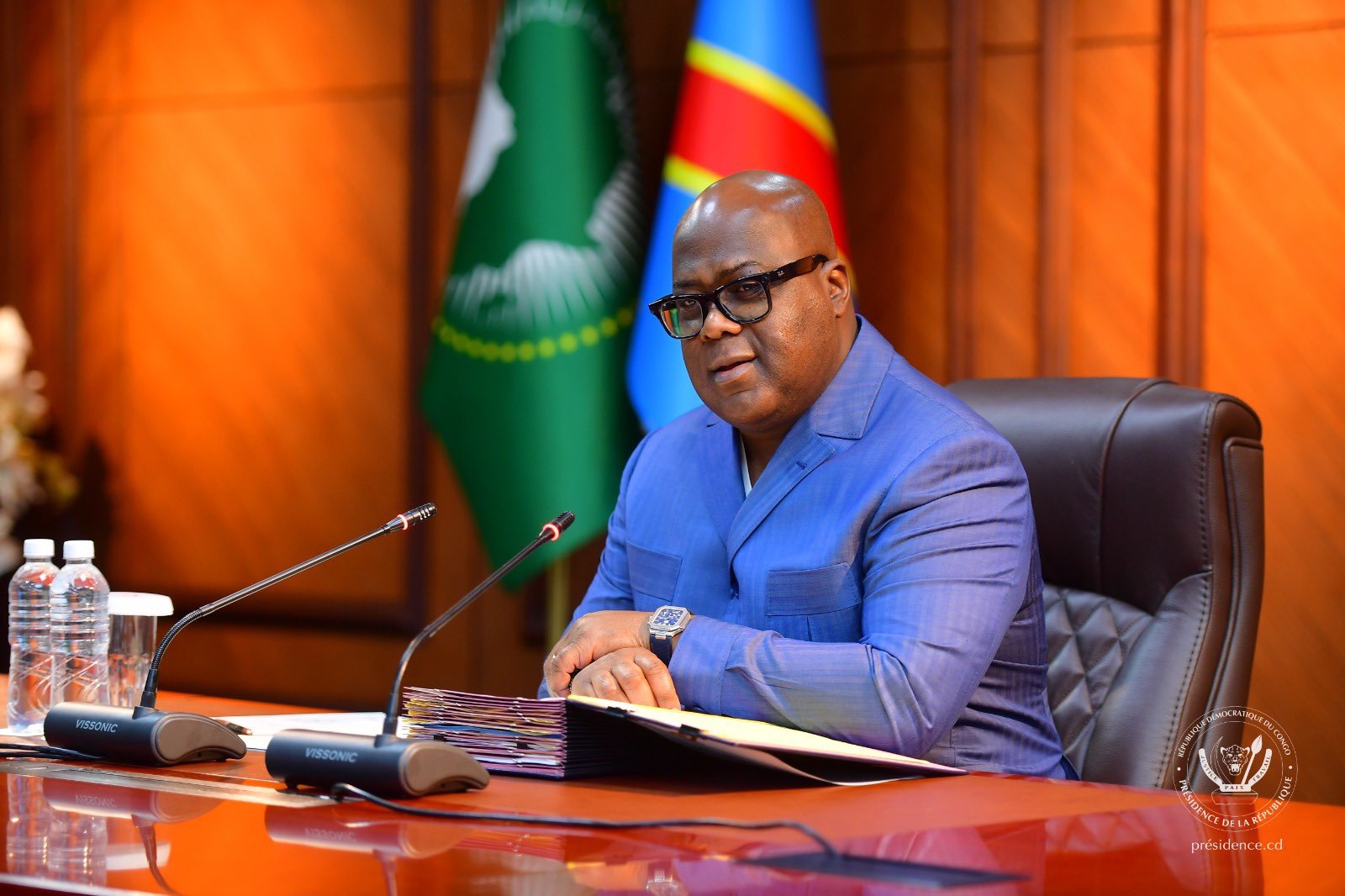
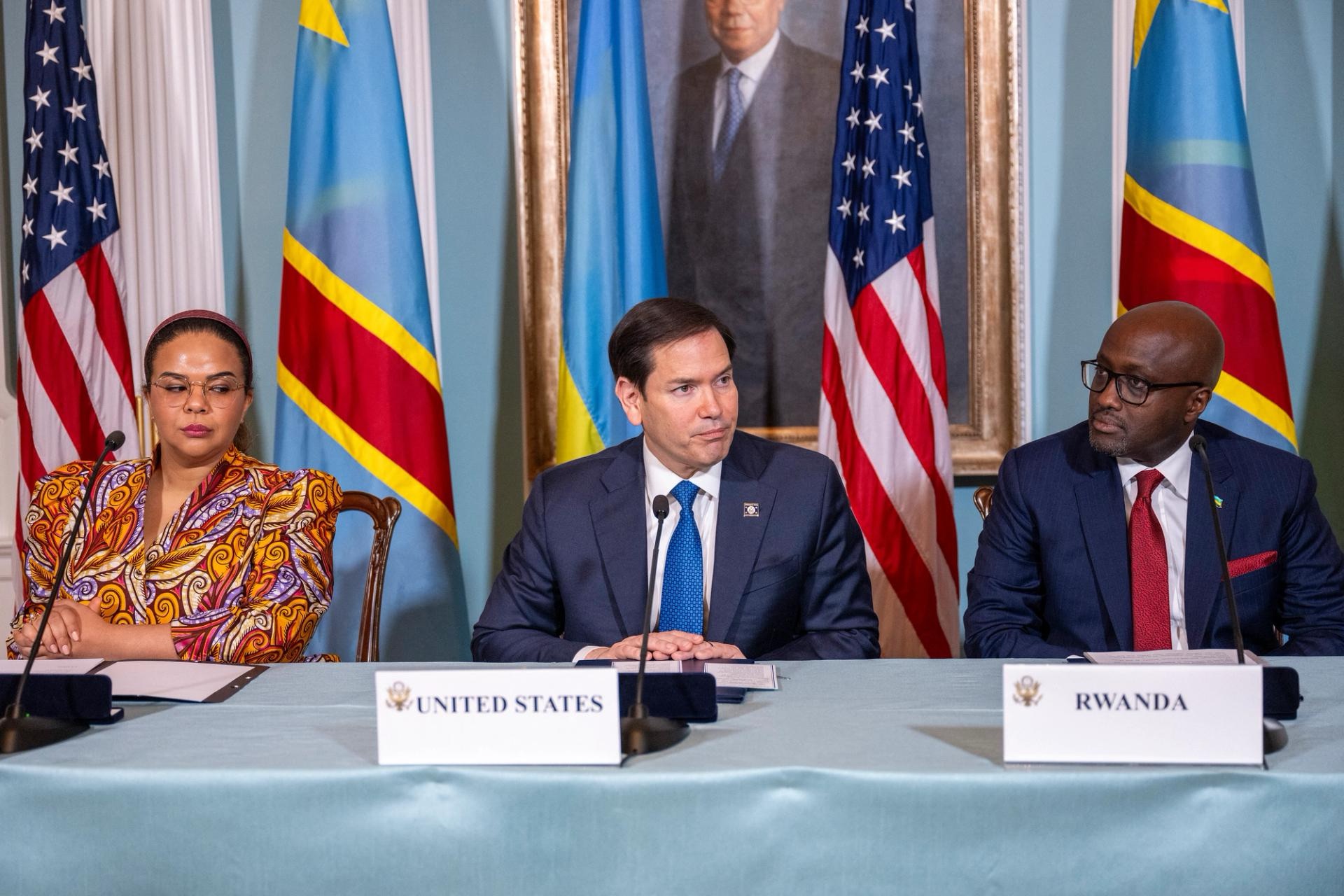
On September 3, 2025, the Democratic Republic of Congo (DRC) and Rwanda held their second Joint Oversight Committee meeting in Washington, D.C., reaffirming their peace agreement despite delays in implementation. But contradictions—such as Rwanda agreeing to withdraw troops it has long denied deploying, and the U.S. maintaining business ties with Kigali while imposing sanctions—raise deeper questions about accountability and lasting stability.
The second Joint Oversight Committee meeting between the Democratic Republic of Congo (DRC) and Rwanda took place in Washington, D.C., on September 3, 2025. The session brought together officials from both nations alongside representatives of the United States, Qatar, and the African Union. According to the official joint statement, the meeting reaffirmed the two countries’ commitment to the peace agreement signed in June, even as participants acknowledged the “slowness” of its implementation.
The talks centered on establishing new channels of communication—particularly at the military and intelligence levels—ahead of the upcoming Joint Security Coordination Mechanism meeting in Doha. On the surface, this appears to be progress. Yet beneath it lies a web of contradictions and unresolved questions.
One of the most pressing issues remains the withdrawal of the M23 rebel group. Despite the agreement’s clear stipulation, their retreat has been slow, raising doubts about the sincerity and enforceability of the process. Adding further confusion, Rwanda agreed during the Washington meeting to withdraw its troops from the DRC—a puzzling development, since Rwanda has consistently denied deploying forces in Congolese territory. How can a country withdraw what it claims was never there?
Meanwhile, the role of the United States looms large. While Washington has imposed sanctions on Rwanda over its alleged support of M23 and the smuggling of minerals from the DRC, it continues to maintain business ties with Kigali. Recent agreements—including cooperation on deporting illegal immigrants and trade arrangements—raise the uncomfortable question: are these financial and diplomatic engagements inadvertently sustaining the very dynamics the sanctions are meant to counter?
As the process moves toward the Doha meeting, the contradictions grow sharper. Will new communication channels bring genuine transparency, or will slow rebel withdrawals, denied troop presences, and conflicting international partnerships continue to undermine peace?
What do you think?
Can peace be achieved when accountability remains unclear, and when global powers pursue contradictory policies? How should the DRC and its partners address these contradictions to secure lasting stability? Share your thoughts below.